INOPRO
INOPRO was a €15.6 million EU-funded research project bringing together Ottobock, KIT and a consortium of partners to advance the state of myoelectric prosthetic hands — sensor integration, actuation and the intelligence to make them work in daily life.
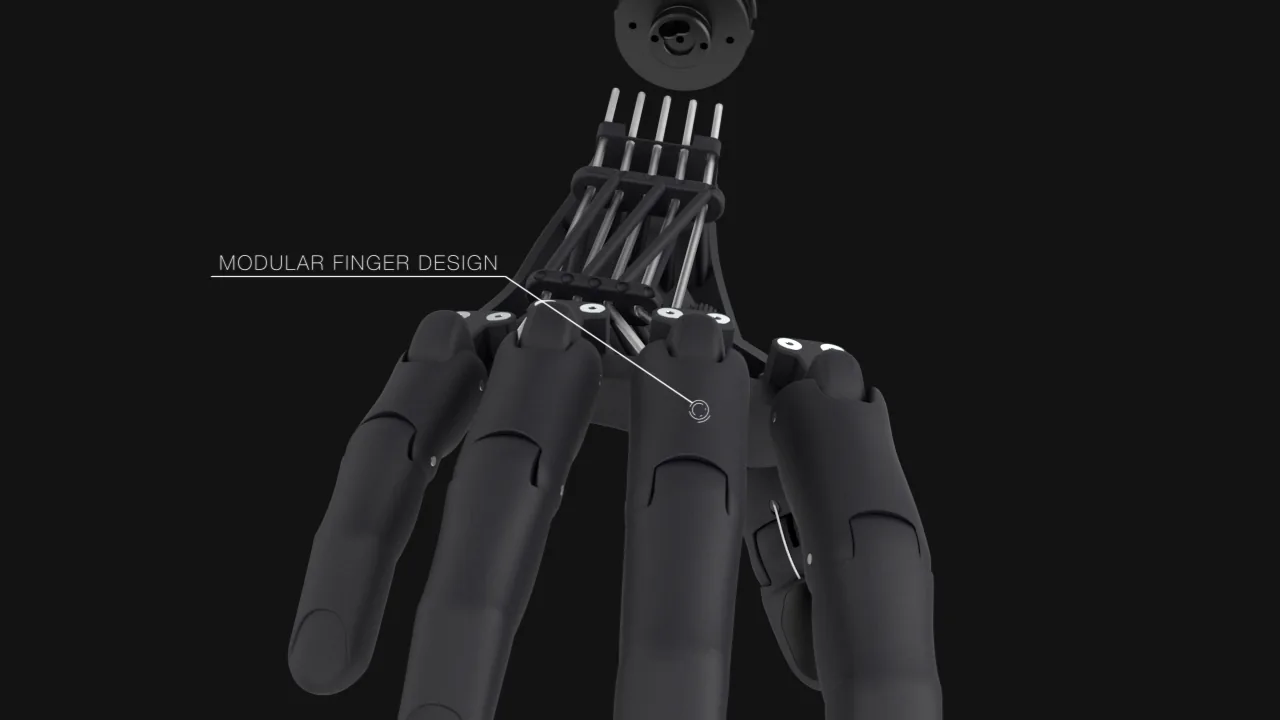
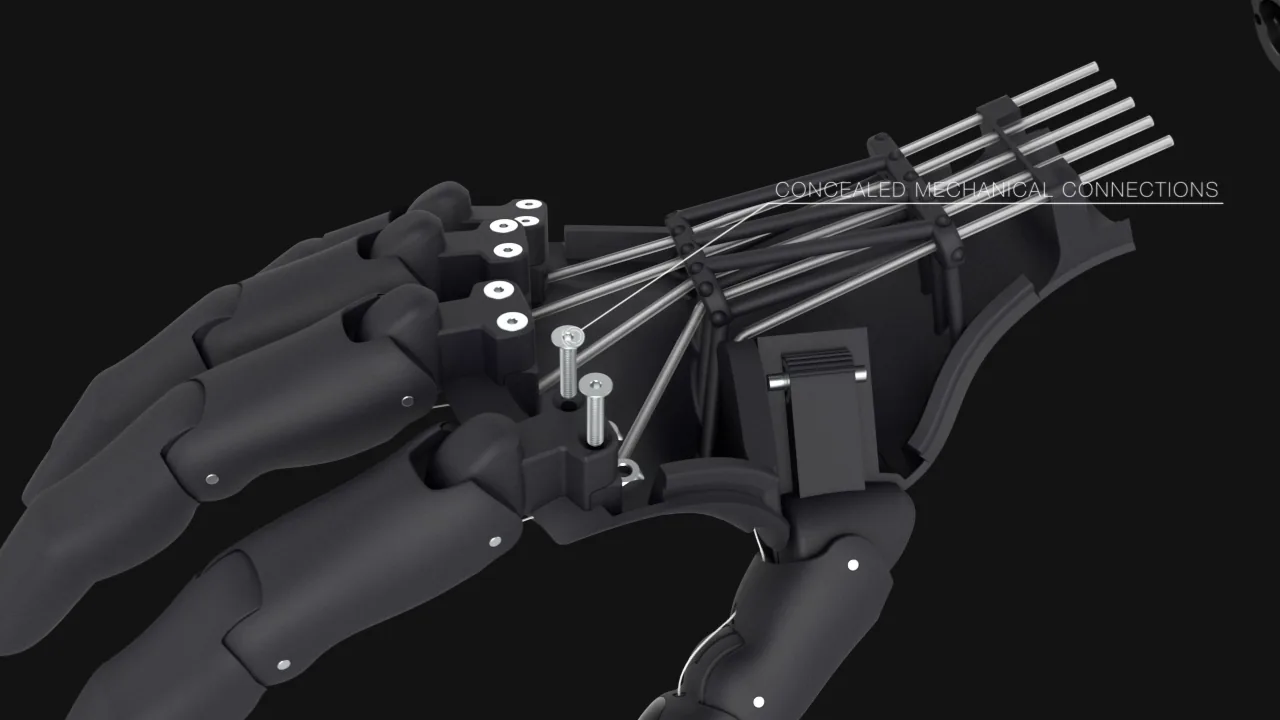
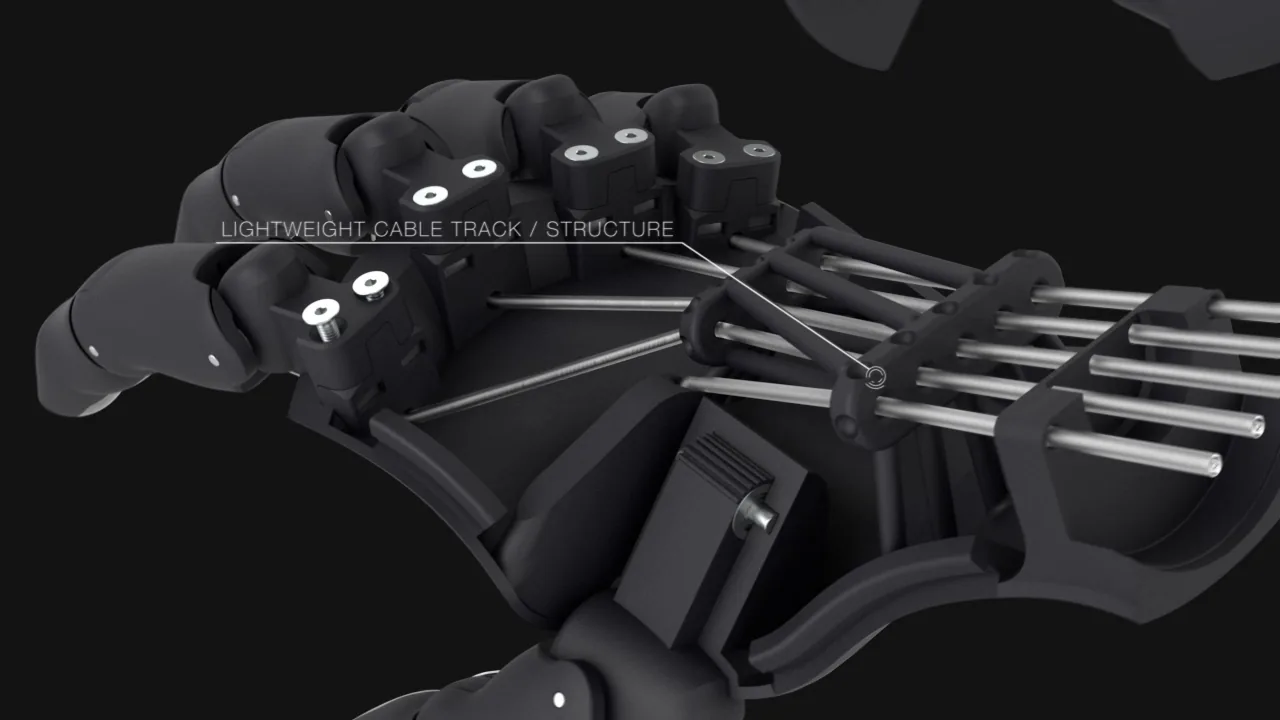
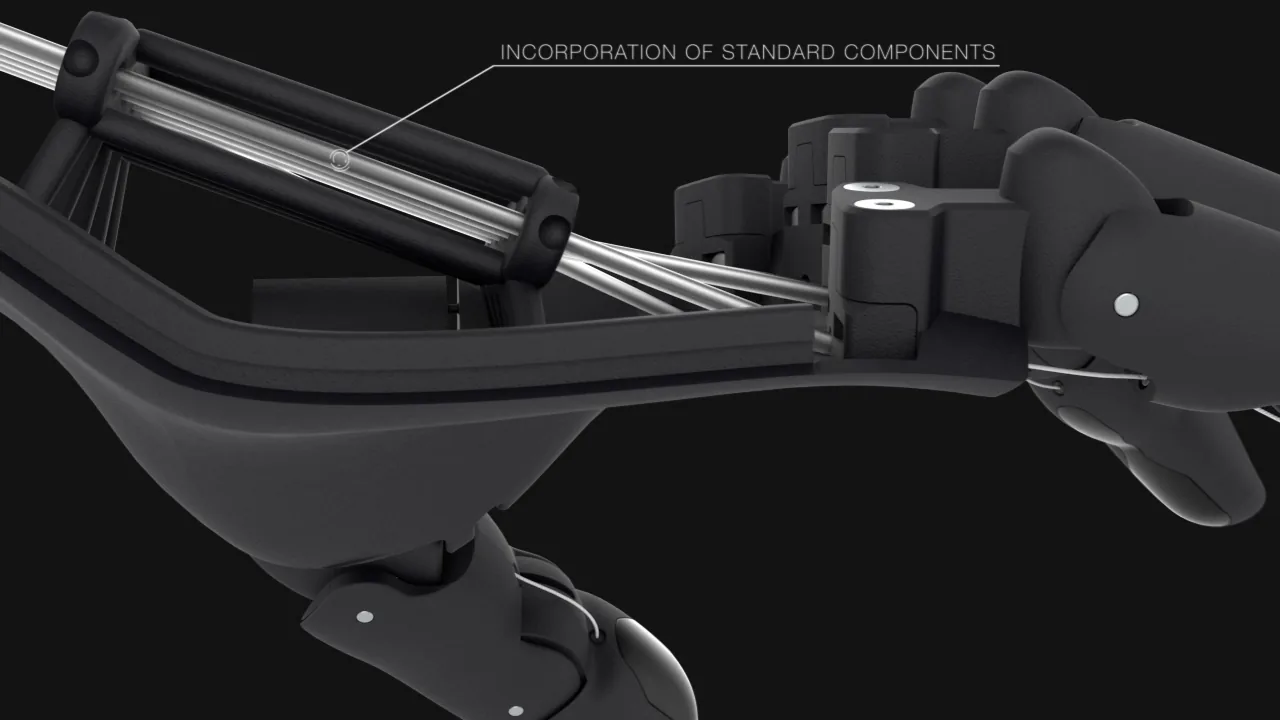
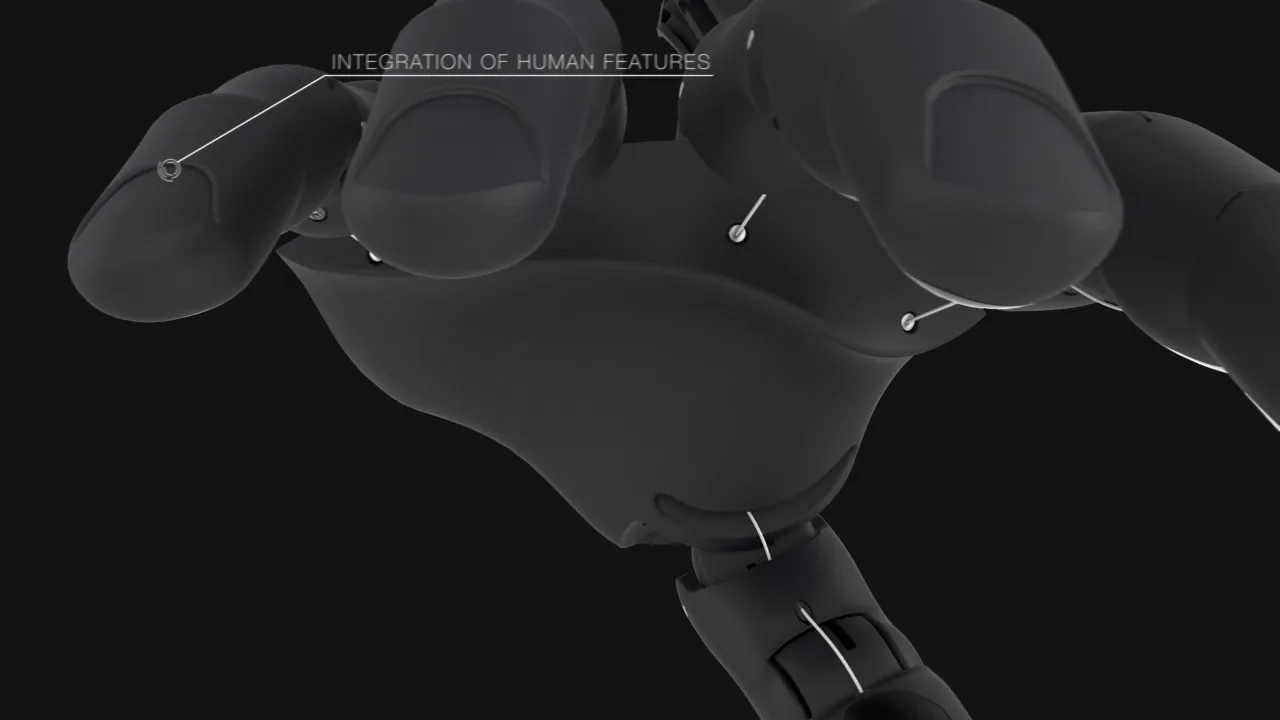
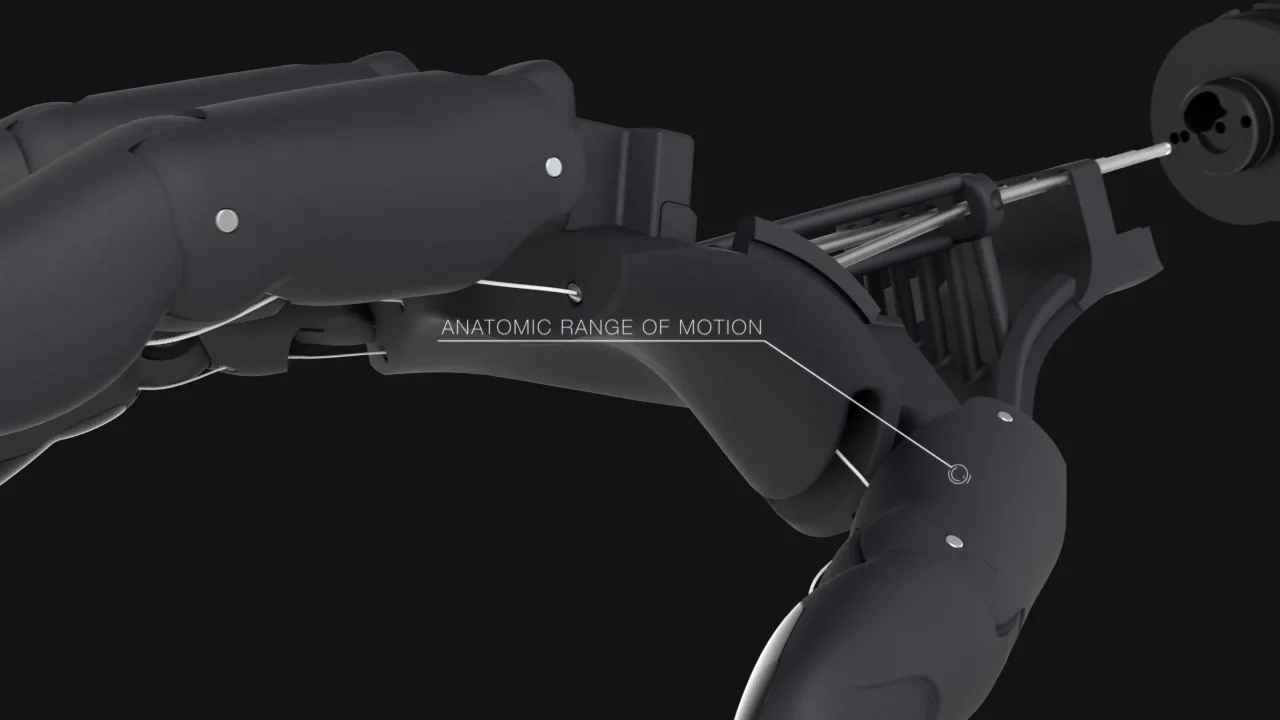
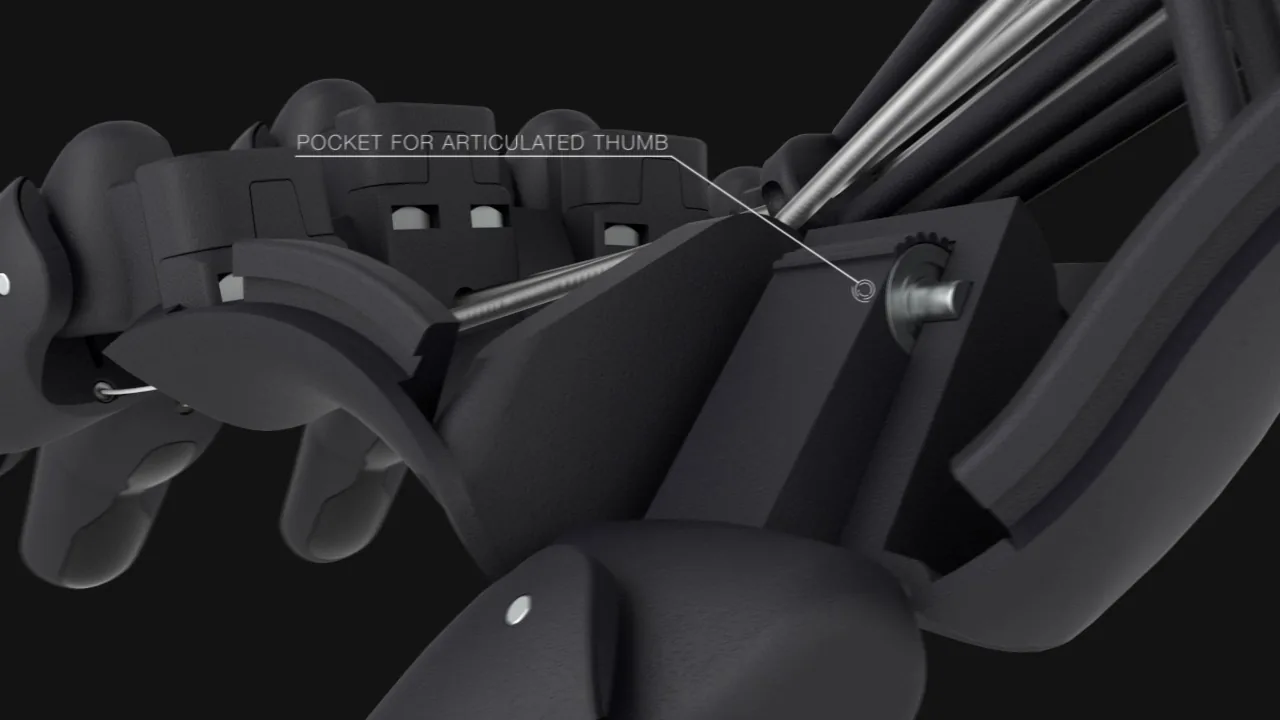
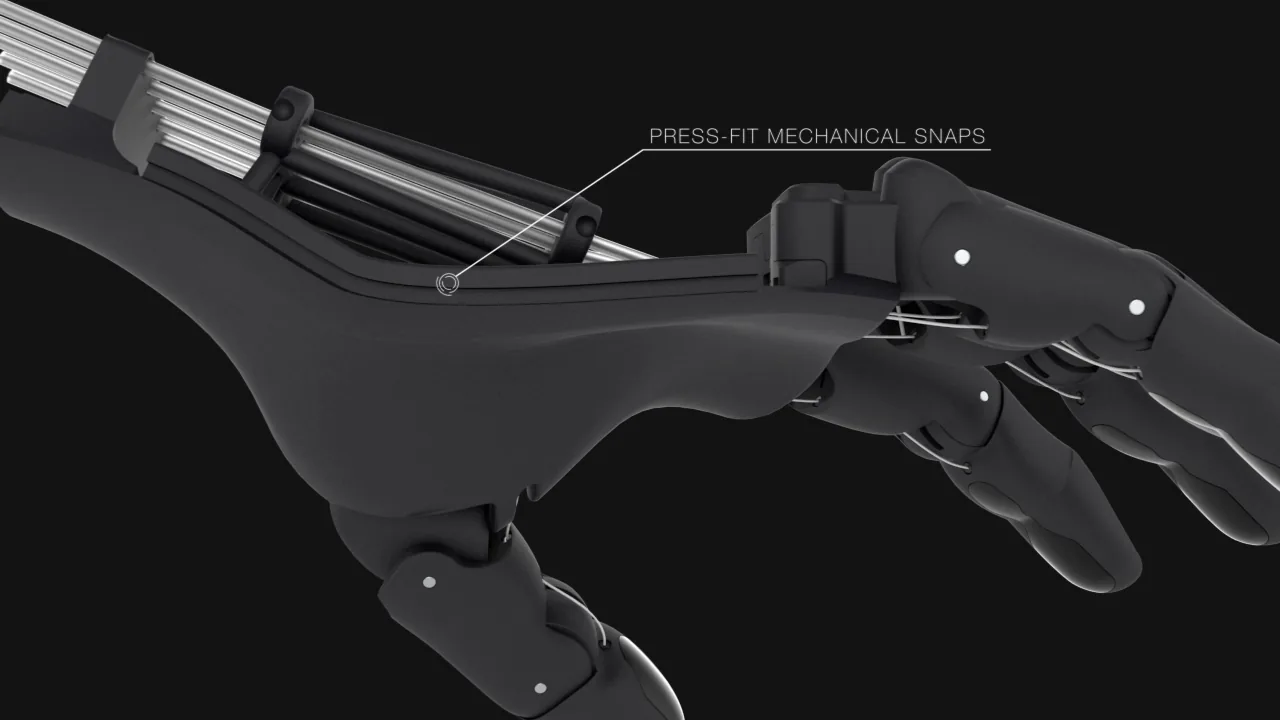
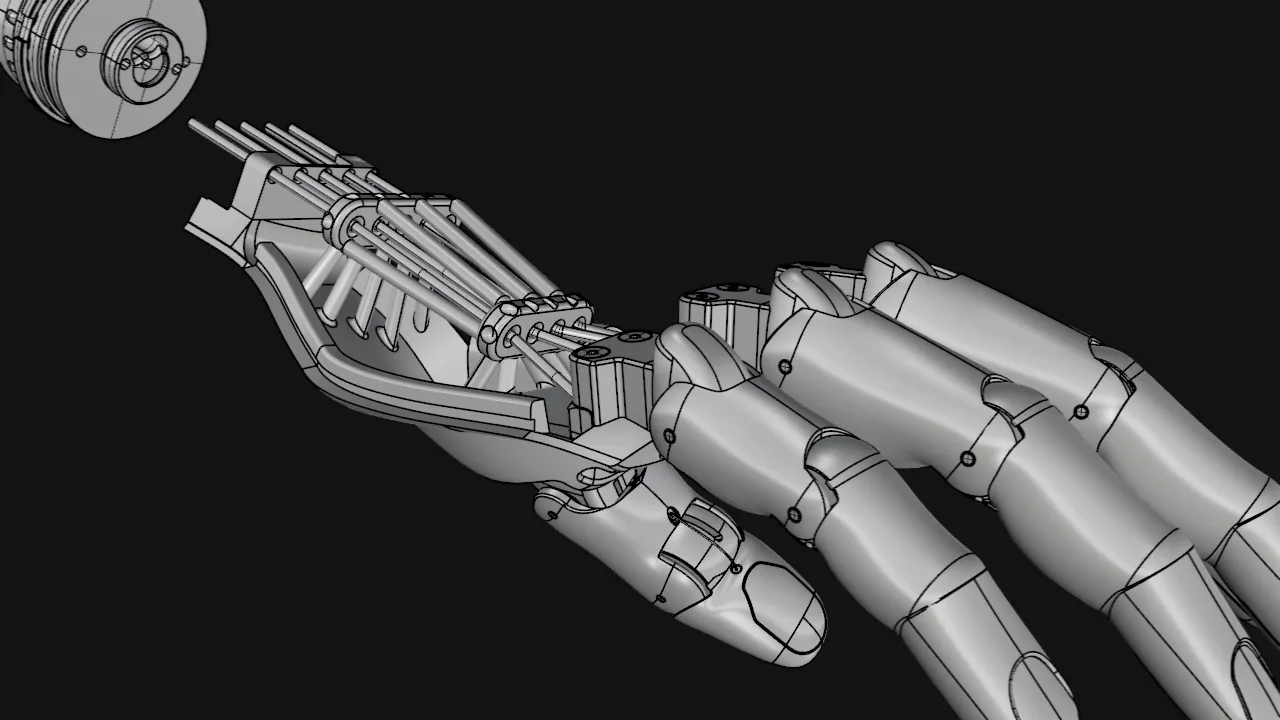
I was design lead at Makea Industries GmbH, responsible for the ergonomic housing that encased the hand's electrical components and sensors, and for sizing and designing the 3D-printable prosthetic hands that interface with state-of-the-art prosthetic sockets.
A prosthetic hand is worn all day, every day. Our goal was to narrow the still very apparent gap between prosthetic device and natural hand.
-
Ergonomic housing
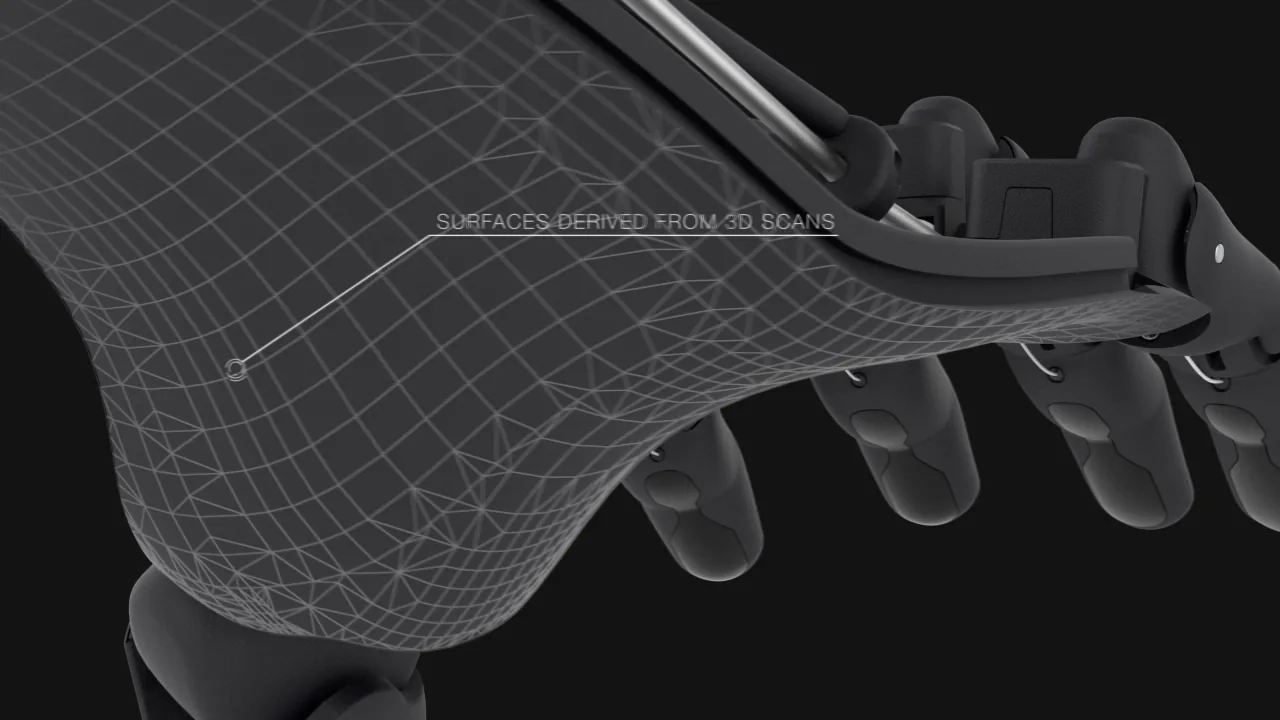
Sized and shaped the enclosure around real anthropometric scan data, accommodating hardware and cabling without bulk.
-
Design lead
Led the industrial design within my team at Makea Industries — driving and constructing the housing design.
-
3D-printable parts
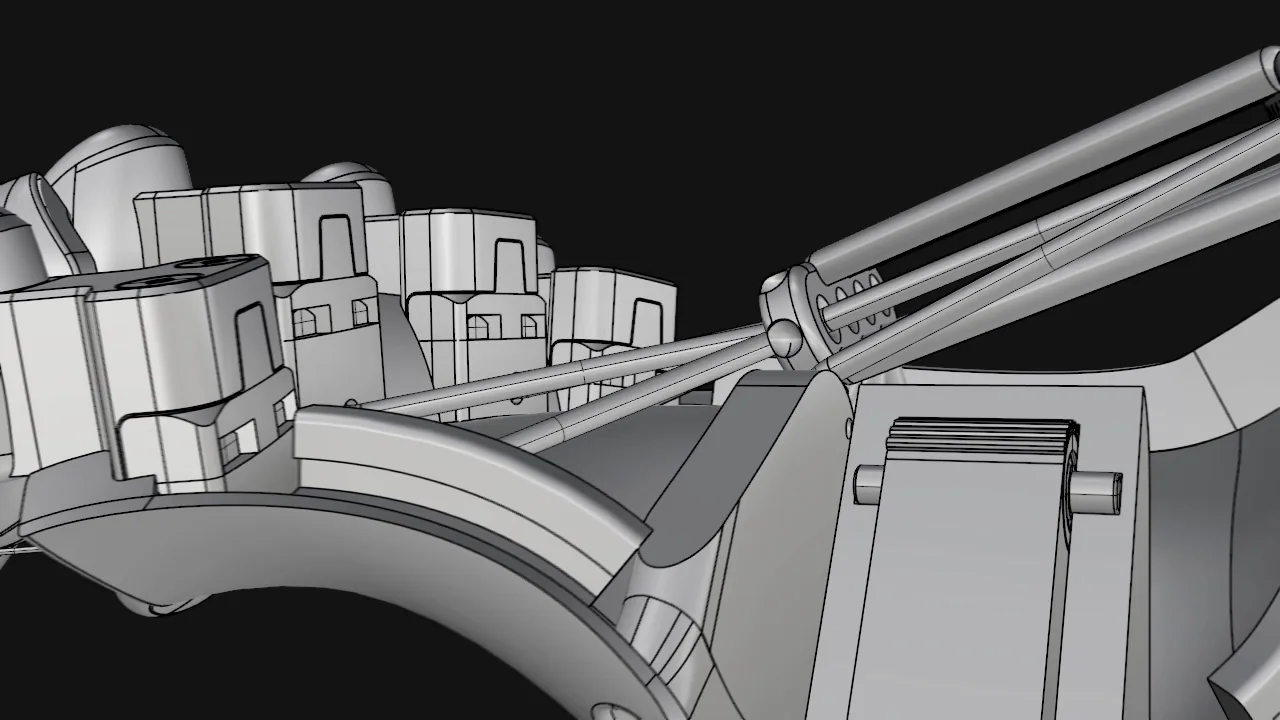
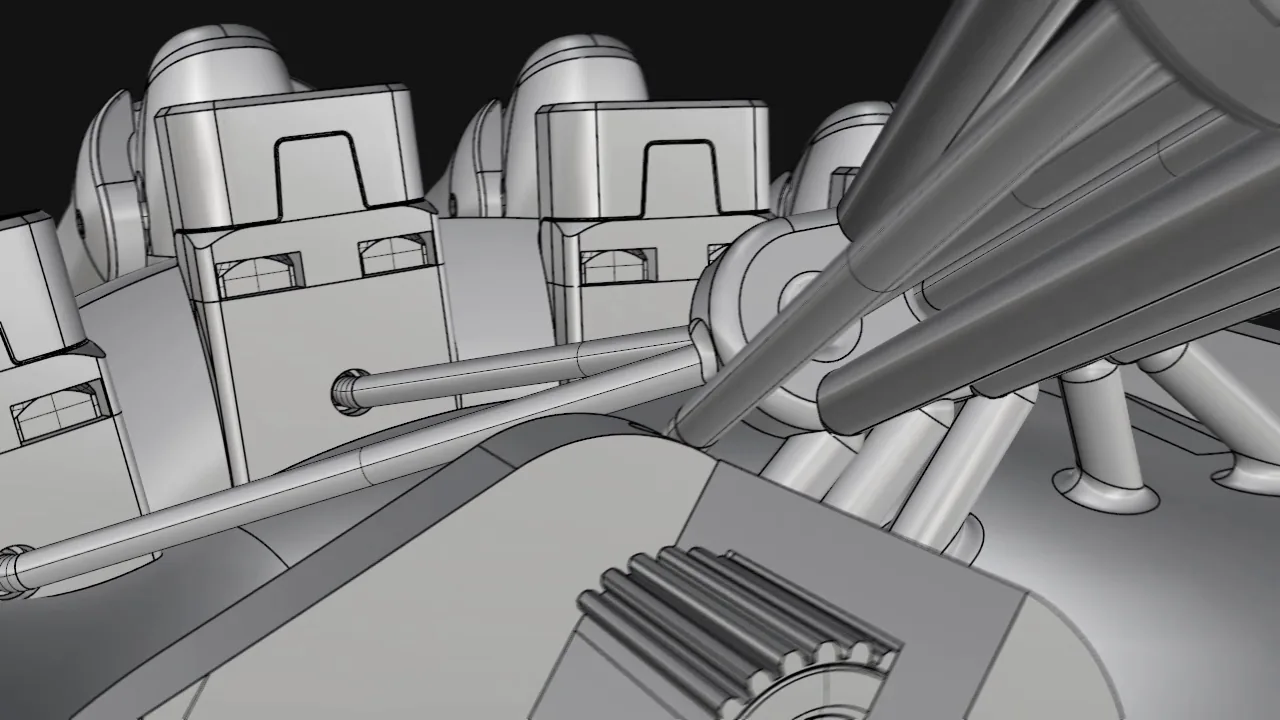
Designed every component for additive manufacturing — this made prototyping and iteration rapid and economical.
-
Cross-team coordination
Worked alongside incredibly talented engineers and CPOs from Ottobock and KIT to interface the hand cleanly with their latest prosthetic sockets.