MyFit TT
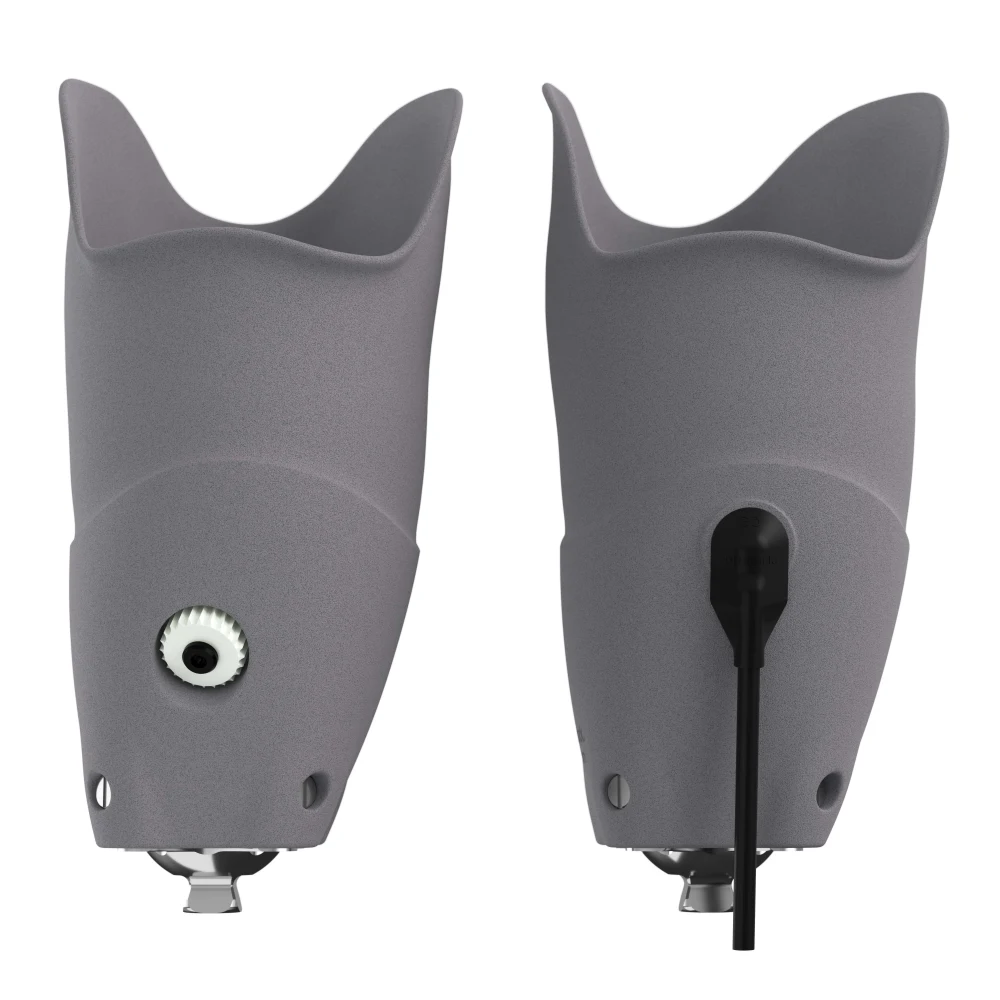
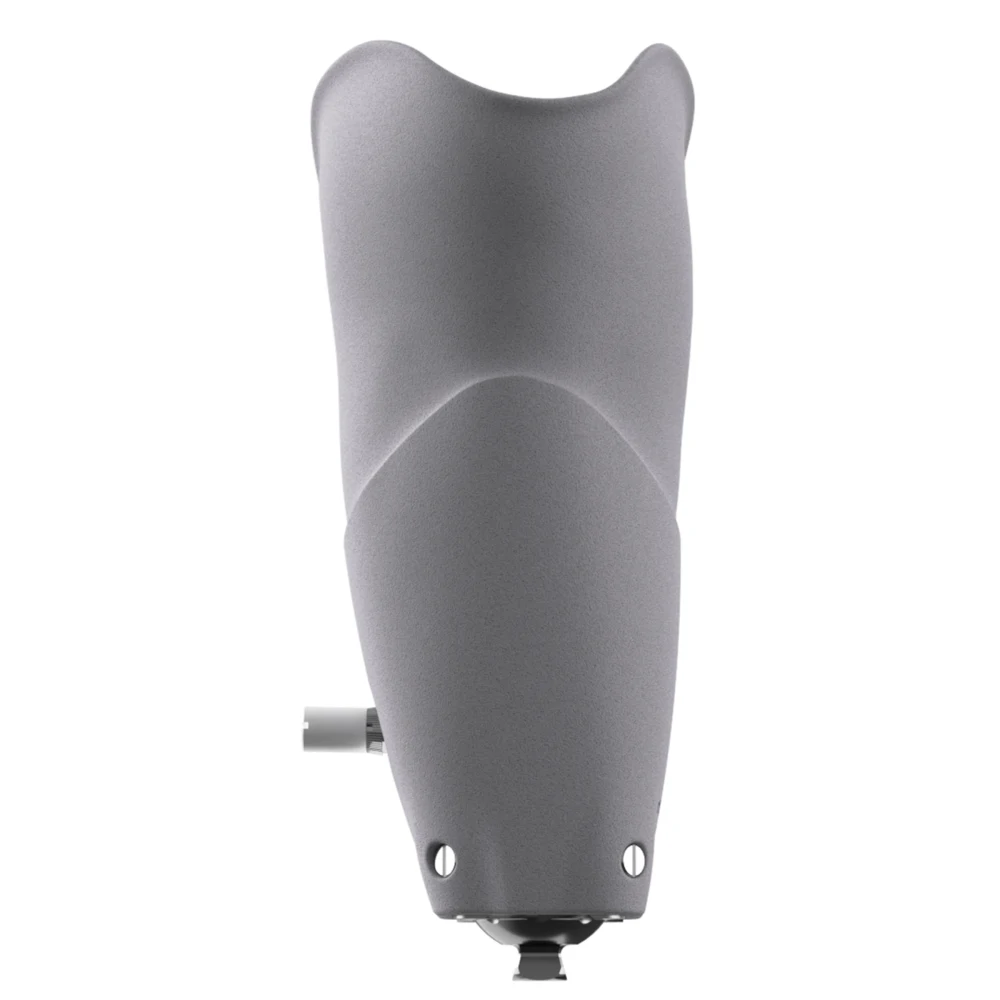
MyFit TT is Ottobock's end-to-end digital system for transtibial prosthetic sockets. It replaces traditional plaster casting entirely: scan the residual limb in 3D, refine the fit in a specialized guided workflow and produce a precision-printed nylon socket delivered to the clinic.
I was involved from the initial concept through the final rollout and named on the technology patent. We streamlined a clinically and technically dense workflow and made it intuitive and reliable for the prosthetists who work with it.
Reference product page at ottobock.com →
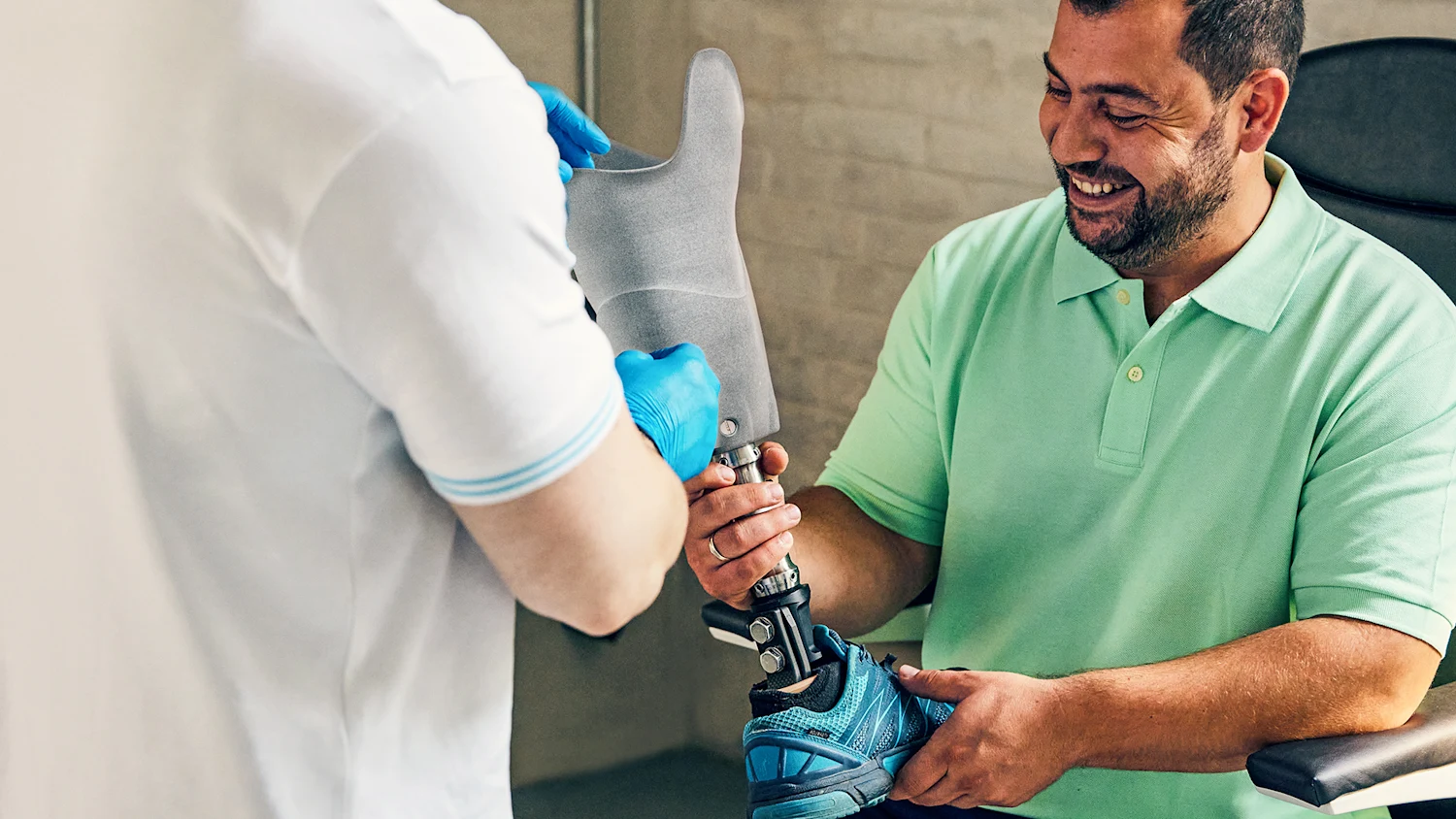
The system in real use — from the handheld scan that opens the workflow to the patient fitting that closes it.
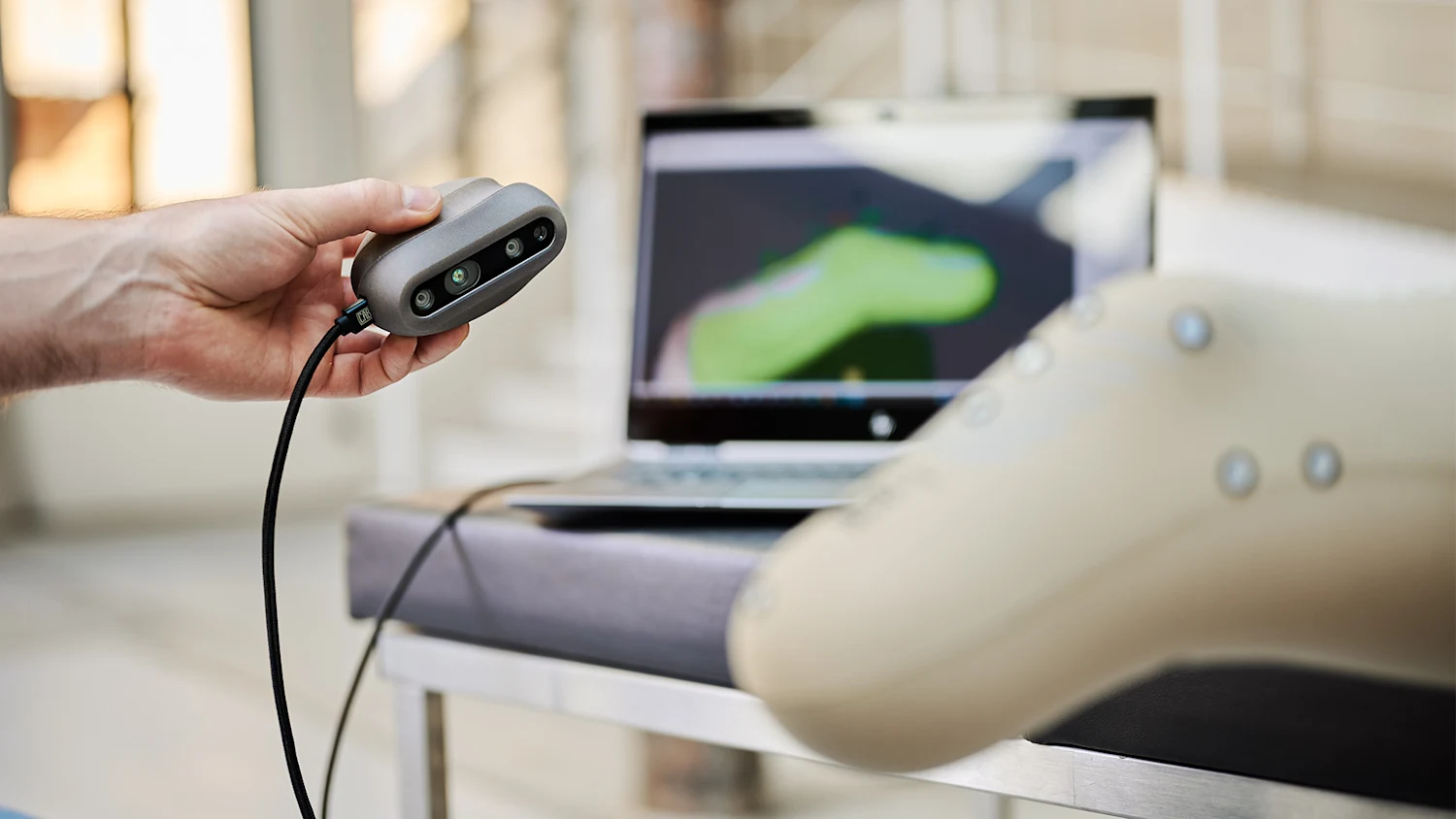
For a century, a good socket fit depended on a plaster cast taken by hand — slow, labor-intensive and difficult to reproduce.
The socket is the most personal component of any prosthesis: it's the single part shaped to one specific body, and the part a patient feels with every step. Get it wrong and you introduce pain and pressure sores. Traditionally, getting it right meant wrapping the residual limb in plaster, modifying the positive by hand and laminating — a craft process locked inside one practitioner's hands and memory.
MyFit TT's premise is that the socket can be captured, refined and reproduced digitally without losing the prosthetist's clinical judgment. The harder design challenge was earning the trust of practitioners trained in a hundred-year-old craft.
Five steps, from a limb to a fitted socket. Each one needs to be trusted by the clinician.
The internal structure borrows its logic from bone — stiffness where the load is, void everywhere else.
Rather than a solid mass of material, the definitive socket utilizes an internal trabecular structure — the same branching micro-architecture found inside human bone. It places material precisely along load paths and leaves voids where none is needed, so the socket remains secure even with heavy forces applied.
This structure is only manufacturable additively. Powder-based SLS printing sinters the structure and shell as one continuous part in durable polyamide — no seams, no lamination, no tooling.
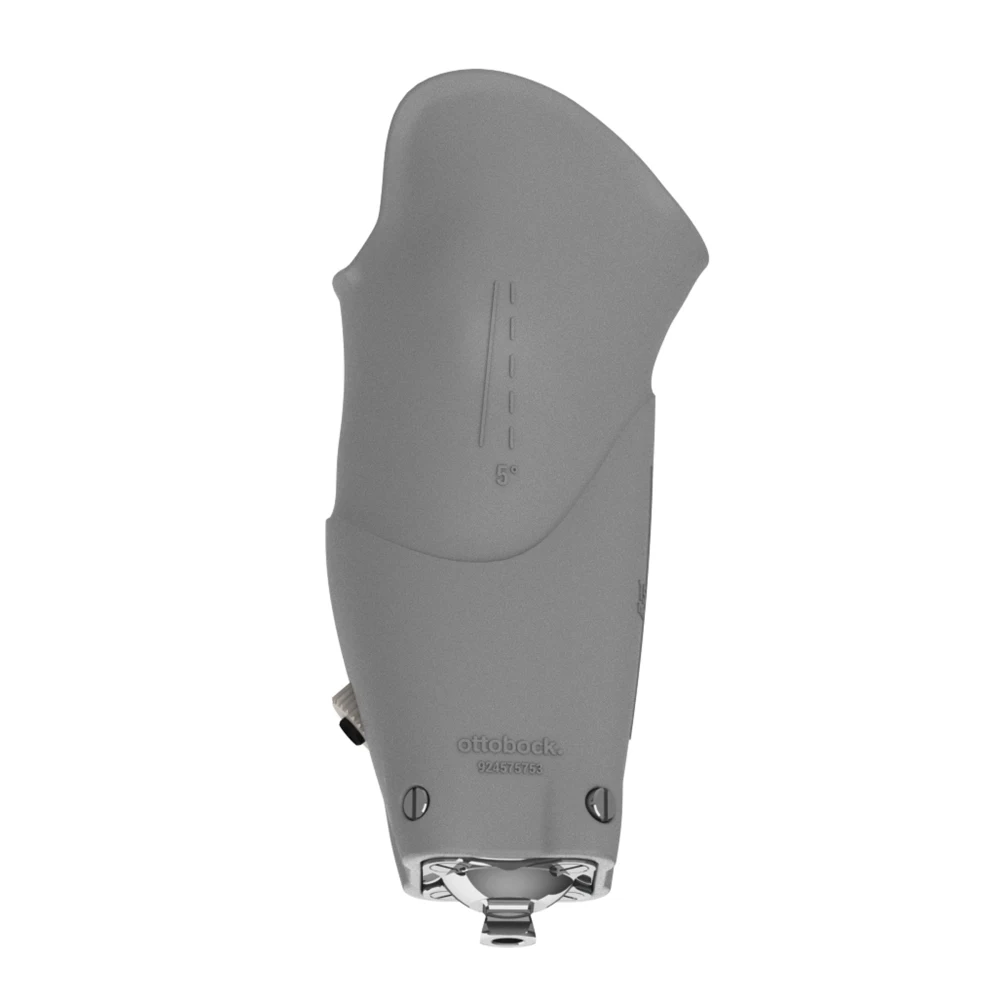
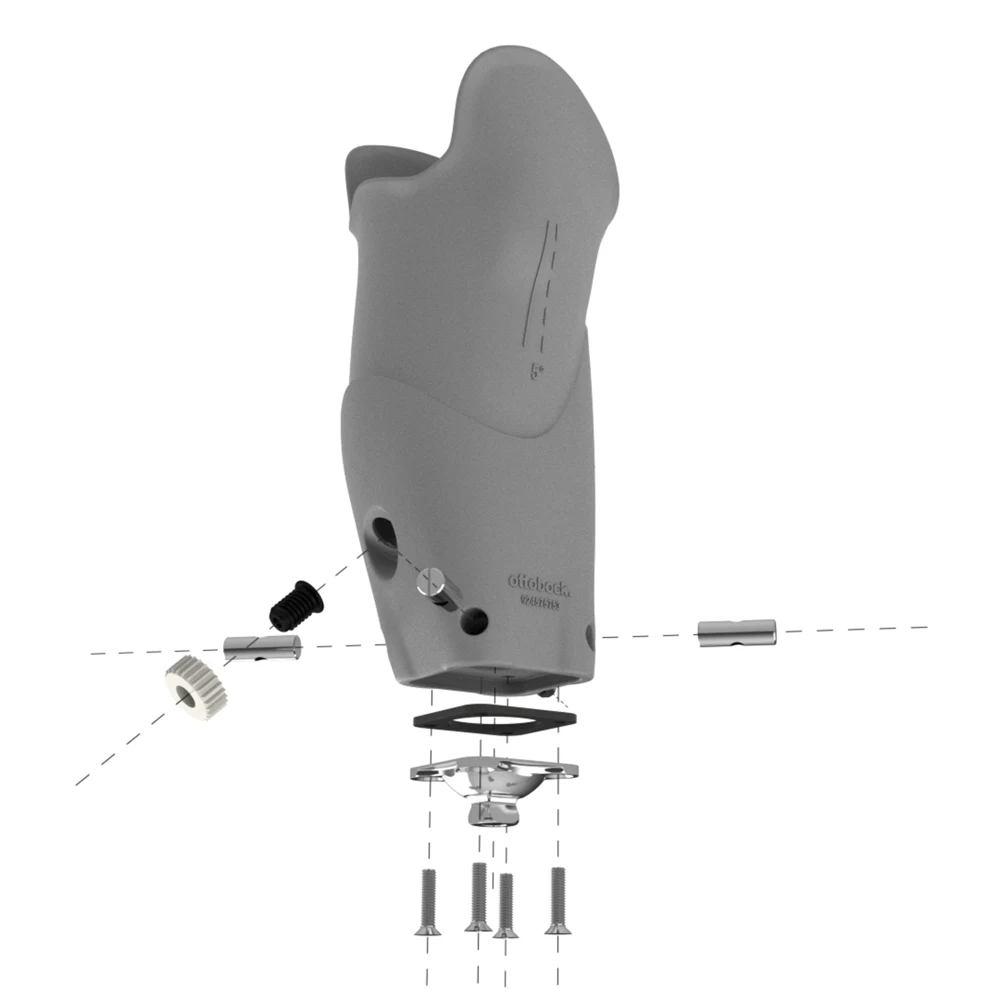
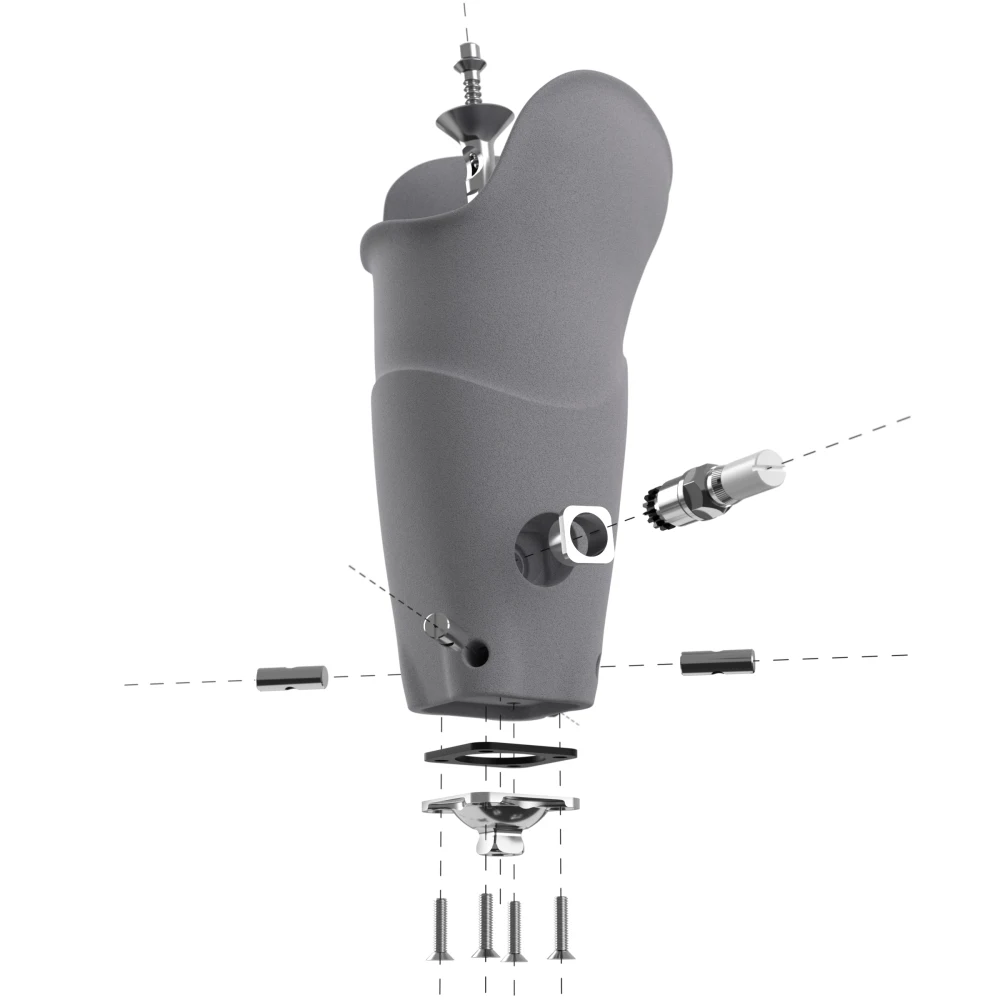
One system, two suspension routes — each documented as a clear, parallel decision for the clinician.
Essential to the product ecosystem is keeping the platform as adaptable as possible: the same socket can be designed to incorporate vacuum or pin suspension components, each with high-quality universal adapter hardware.